Dropped It, Ate It Anyway: What Lab Scientists Actually Found About the Five-Second Rule
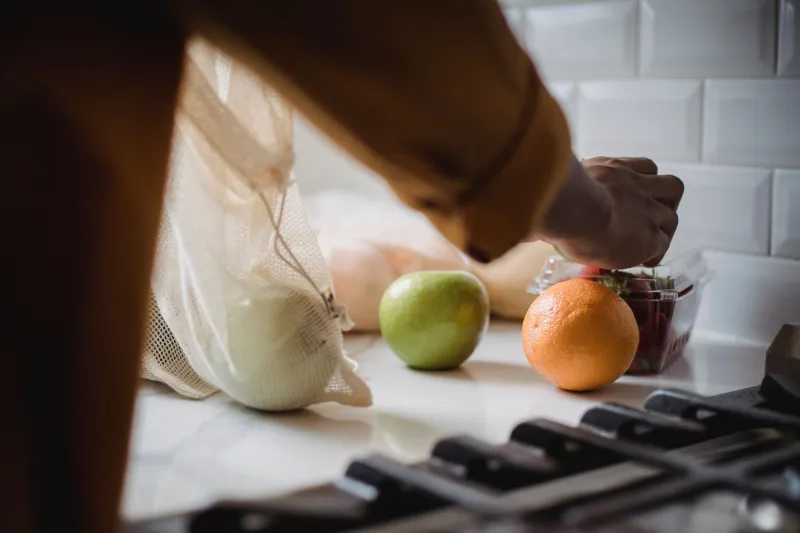
Somewhere in an American kitchen right now, a cookie has hit the floor, someone has yelled 'five-second rule!' and a snack has been saved. It might be the most widely practiced piece of folk science in the country — a rule so universal it feels like it must have come from somewhere official.
It didn't. And when researchers actually tested it, the rule didn't hold up the way most people assume it does.
The Rule Everyone Grew Up With
The premise is simple: food picks up germs only after sitting on a contaminated surface for a while, so a quick pickup means a safe snack. Versions of the idea go back decades — some trace it to a quote attributed to Genghis Khan's empire, others to mid-century kitchen advice — but no version ever had a scientific basis. It was always a social convention dressed up as hygiene.
That didn't stop scientists from taking it seriously, mostly because the question is genuinely interesting: how fast does contamination actually happen?
Yes, It Was Really Tested — More Than Once
In 2003, then-high school student Jillian Clarke tested floor tiles and cookies in a lab at the University of Illinois and found bacteria transferred to food almost immediately. The work won her an Ig Nobel Prize, the award given to research that 'first makes people laugh, then makes them think.'
The question got a more rigorous treatment in 2016, when a team at Rutgers University published a peer-reviewed study that systematically dropped different foods — watermelon, bread, buttered bread, gummy candy — onto stainless steel, ceramic tile, wood, and carpet, all coated with a harmless marker bacterium, and measured transfer at intervals from under one second to five minutes.
Their conclusion was blunt: contamination can occur in less than one second. There is no grace period. Microbes don't need to 'climb' onto your food over time; the moment wet food touches a wet, contaminated surface, transfer begins.
What Actually Determines Your Risk
The Rutgers study and related research point to three factors that matter far more than the clock:
- Moisture. Watermelon picked up the most bacteria by far; the dry gummy candy picked up the least. Wet food is a bacteria taxi.
- Surface. Carpet transferred dramatically fewer microbes than smooth surfaces like stainless steel or tile — a counterintuitive finding, since carpet feels dirtier.
- Time, a little. Longer contact does increase transfer somewhat, but the biggest jump happens in the first moments of contact.
The practical takeaway isn't 'never eat dropped food again.' It's that a wet slice of watermelon on a kitchen tile floor is a very different situation from a cracker on a dry rug.
Why the Rule Refuses to Die
Part of the rule's endurance is psychological. Research on the topic has suggested people are more likely to invoke it for food they really want to eat — the rule is less a hygiene judgment than a permission slip. There's also a kernel of reasonable logic embedded in it: your kitchen floor isn't a biohazard zone, and for most healthy adults, the occasional dropped pretzel isn't a serious threat. The rule survives because it's mostly harmless, not because it's accurate.
The Takeaway
Bacteria transfer the instant food hits the floor — no stopwatch required. If you're going to play the odds, pay attention to moisture and surface instead of seconds, and maybe skip the wet foods entirely.