The Strange History of 'Nude' — How One Pale Shade Became Fashion's Universal Skin Tone

The Color That Pretends to Be Everyone
Open any fashion magazine or browse online retailers, and you'll find dozens of products labeled "nude" — lipsticks, shoes, pantyhose, bras. But look closely at these supposedly universal items, and you'll notice something odd: they're all roughly the same pale peachy-beige tone. This single shade, which fashion brands have marketed as "nude" for nearly a century, actually matches the skin tone of maybe 20% of the global population. So how did one specific color become synonymous with human skin?
Where It All Started: The Hosiery Wars
The story begins in the 1920s with the booming pantyhose industry. When hemlines rose and women's legs became visible, hosiery companies faced a challenge: creating stockings that would blend seamlessly with skin. The problem was, early synthetic materials could only be dyed in limited colors, and the largest market segment for luxury hosiery was affluent white women.
Companies like DuPont and American manufacturers focused their research and development on matching the skin tones of their primary customer base. The pale beige that emerged from this process became known as "flesh tone" or "skin tone" in industry catalogs — terms that reveal just how narrow the perspective was from the start.
Ballet's Reinforcement
The dance world amplified this standard. Major ballet companies, predominantly featuring white performers, required dancers to wear "flesh-toned" tights and shoes that matched the established hosiery colors. This created a feedback loop: costume manufacturers produced what ballet companies demanded, and ballet companies demanded what was already available.
When ballet became more accessible through television and film in the mid-20th century, these visual standards spread to mainstream audiences. The pale beige tone became so associated with "proper" dance attire that it seemed natural rather than arbitrary.
The Business Logic That Stuck
Retail economics played a crucial role in cementing this standard. Carrying multiple shades of "nude" meant more inventory, more shelf space, and more complexity in manufacturing and distribution. For decades, it was simply more profitable to produce one shade and call it universal than to acknowledge the reality of human diversity.
This business logic was reinforced by limited market research. Fashion companies primarily surveyed their existing customer base, which skewed toward demographics that the established nude shade actually matched. The result was data that seemed to validate what was really just a self-fulfilling prophecy.
When 'Nude' Became Normal
By the 1960s, the term "nude" had largely replaced "flesh tone" in marketing materials — a change that seemed more inclusive but actually made the problem less visible. "Nude" sounded universal and natural, disguising the fact that it represented only a narrow slice of human skin tones.
Fashion magazines reinforced this standard by featuring "nude" products in editorials and styling guides without acknowledging their limitations. The pale beige became so entrenched in fashion vocabulary that many people stopped questioning why "nude" looked nothing like their own skin.
The Makeup Counter Revolution
The first major crack in this system came from an unexpected source: foundation makeup. As cosmetics companies expanded globally in the 1980s and 1990s, they couldn't ignore the obvious fact that human skin comes in dozens of shades. Foundation lines began offering broader ranges, proving that color-matching technology existed and was profitable.
This created an awkward disconnect: makeup counters offered 40+ shades of foundation while shoe stores sold exactly one "nude" pump. The contrast became impossible to ignore as beauty brands like Fenty Beauty launched with 40+ foundation shades and made headlines for inclusivity.
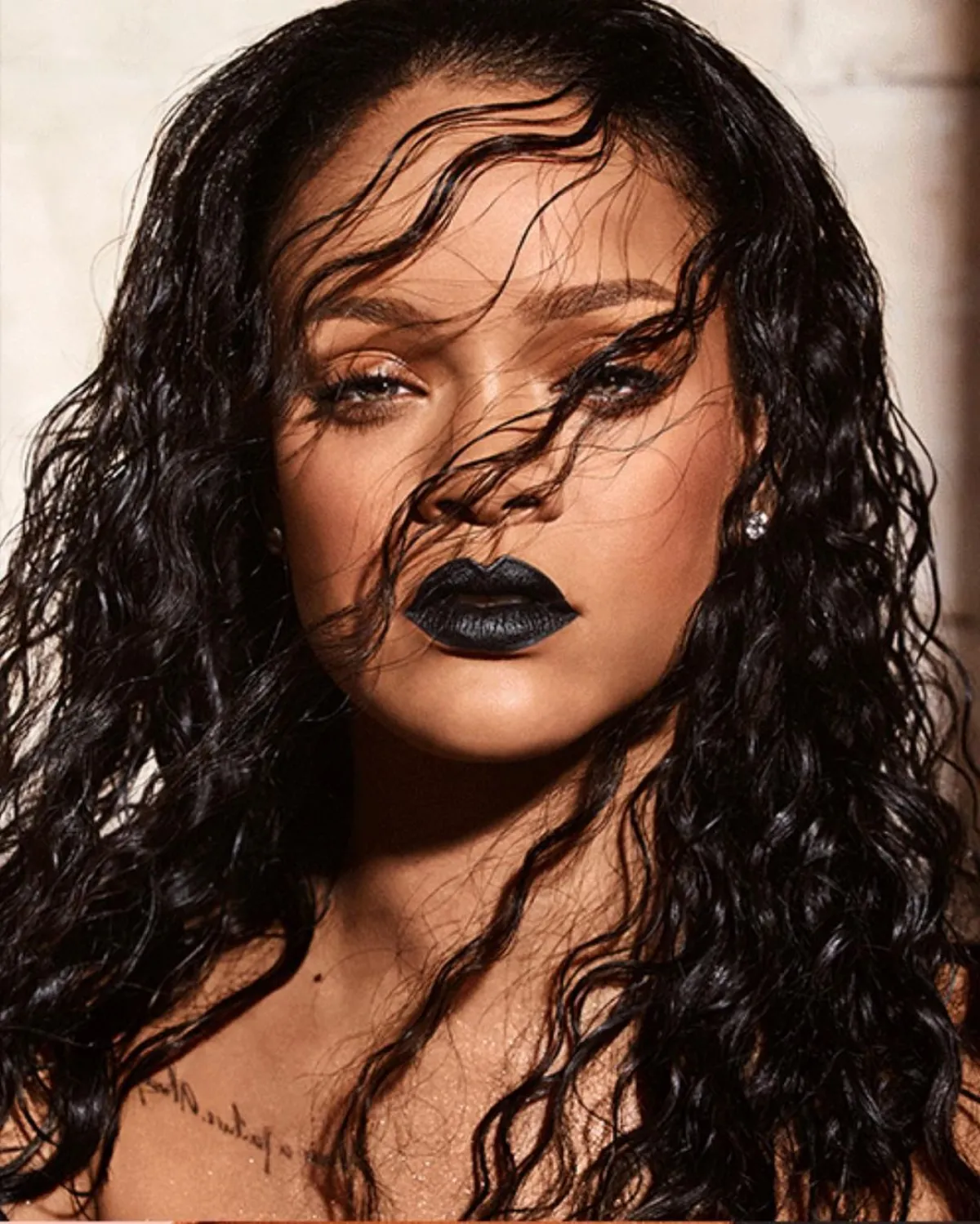 Photo: Fenty Beauty, via celebmafia.com
The Quiet Revolution
Today, some brands are quietly redefining nude without making a big announcement about it. Hosiery companies now offer "nude" lines with names like "Nude for Me" that include multiple shades. Shoe retailers have begun carrying "nude" heels in various tones. Lingerie brands offer bras in colors they call "sand," "caramel," and "espresso" alongside traditional "nude."
Interestingly, many of these changes happen without fanfare. Companies seem to understand that acknowledging the previous limitations of "nude" might highlight their past exclusivity in uncomfortable ways.
The Marketing Challenge
Expanding nude options creates new marketing challenges. How do you name different shades without making anyone feel categorized or othered? Some brands use food names ("almond," "honey"), others use abstract terms ("warm nude," "deep nude"), and still others abandon the word "nude" entirely in favor of descriptive color names.
The solutions reveal how arbitrary the original standard was. If "nude" can mean five different shades, it was never really about matching human skin — it was about manufacturing convenience disguised as universality.
What This Reveals About 'Universal' Standards
The nude color story illuminates how many supposedly universal standards are actually quite specific — they just became so normalized that we stopped noticing their limitations. Fashion's "nude" joined a long list of industry defaults that served some people perfectly while remaining invisible to others.
This pattern repeats across industries: "skin-colored" bandages, "flesh-toned" art supplies, even "people-colored" crayons all defaulted to the same narrow range. The fashion industry's gradual expansion of nude options suggests that change is possible when business incentives align with inclusivity.
The New Normal
Today's shoppers increasingly expect options when they see "nude" on a label. The single-shade era is ending not because of activism alone, but because brands discovered that serving more customers is good business. The pale beige that dominated for decades is becoming just one option among many.
The next time you see a product labeled "nude," notice whether it actually attempts to match the diversity of human skin or still defaults to that familiar peachy-beige. The answer reveals whether that brand is still living in fashion's monochrome past or adapting to its multicolored future.