That Warm Feeling From a Winter Drink Is Your Body Losing Heat, Not Gaining It
The image is practically a cultural institution. A snow-covered mountain pass, an exhausted traveler, and a St. Bernard trotting over with a small barrel of brandy strapped to its collar. The message is clear: warmth is on the way. Help has arrived in liquid form.
It's a charming picture. It's also, from a physiological standpoint, almost entirely backwards.
Alcohol does not warm your body. It creates a sensation of warmth while simultaneously accelerating the process by which your body loses heat to the surrounding environment. The feeling is real. The warming is not. And in conditions where staying warm actually matters — a ski slope, a winter hike, a parking lot in a Minnesota January — the difference between those two things is significant.
What Alcohol Actually Does to Your Body Temperature
When you drink alcohol, one of its primary effects is vasodilation — the expansion of blood vessels near the surface of the skin. Blood that would normally be circulating deeper in the body, closer to the core organs, gets redirected outward toward the skin's surface. This produces a genuine and immediate sensation: you feel flushed, warm, sometimes pleasantly tingly. Your skin actually does get warmer.
The problem is that this is the opposite of what your body is supposed to do in cold conditions.
When your body detects cold, it responds by doing the reverse — constricting blood vessels near the skin to keep warm blood closer to the vital organs, reducing heat loss to the environment. It's a protective mechanism. Alcohol overrides it. By pushing warm blood to the surface, your body is essentially radiating its core heat outward, where it dissipates into the cold air around you. You feel warmer in the moment because your skin is warmer. But your core body temperature is dropping.
Studies have confirmed this consistently. A 2005 review published in the journal Alcohol and Alcoholism examined multiple lines of research on alcohol and thermoregulation and found clear evidence that alcohol consumption impairs the body's ability to maintain core temperature in cold environments. The sensation of warmth is not an indication that the body is warming up — it's a signal that heat is moving to the wrong place.
The St. Bernard Was Never Actually Doing That
Since we're clearing things up: the iconic St. Bernard rescue dog with the brandy barrel? That's a myth layered inside a myth.
St. Bernards were indeed used as rescue dogs in the Swiss Alps by monks at the Great St. Bernard Hospice, starting around the 17th century. They were remarkably effective at locating lost travelers in snow. But the brandy barrel appears to have been invented by a British painter named Edwin Landseer, who included it in a famous 1820 painting called Alpine Mastiffs Reanimating a Distressed Traveler. The image was charming, it spread widely, and eventually people assumed it reflected actual rescue practice.
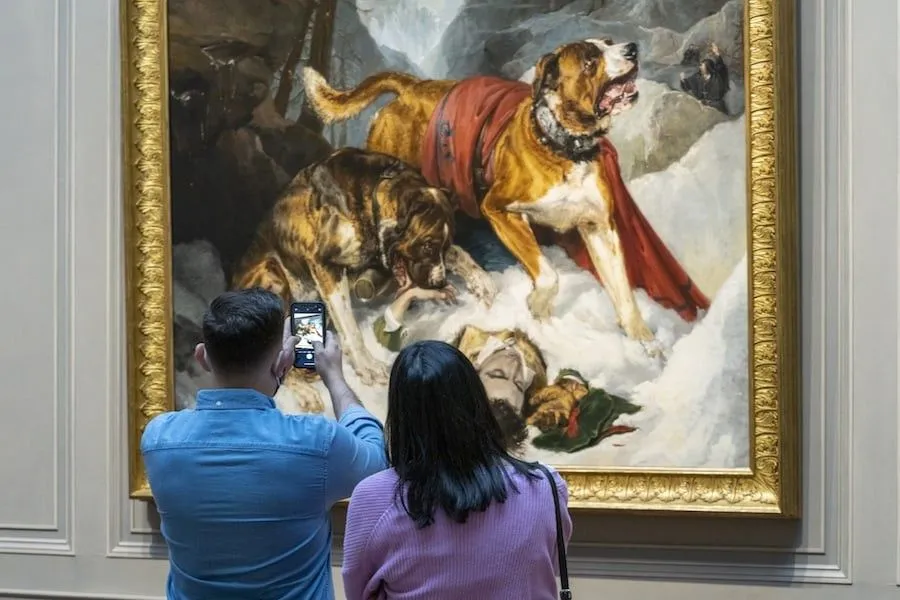 Photo: Alpine Mastiffs Reanimating a Distressed Traveler, via blooloop.com
 Photo: Great St. Bernard Hospice, via c8.alamy.com
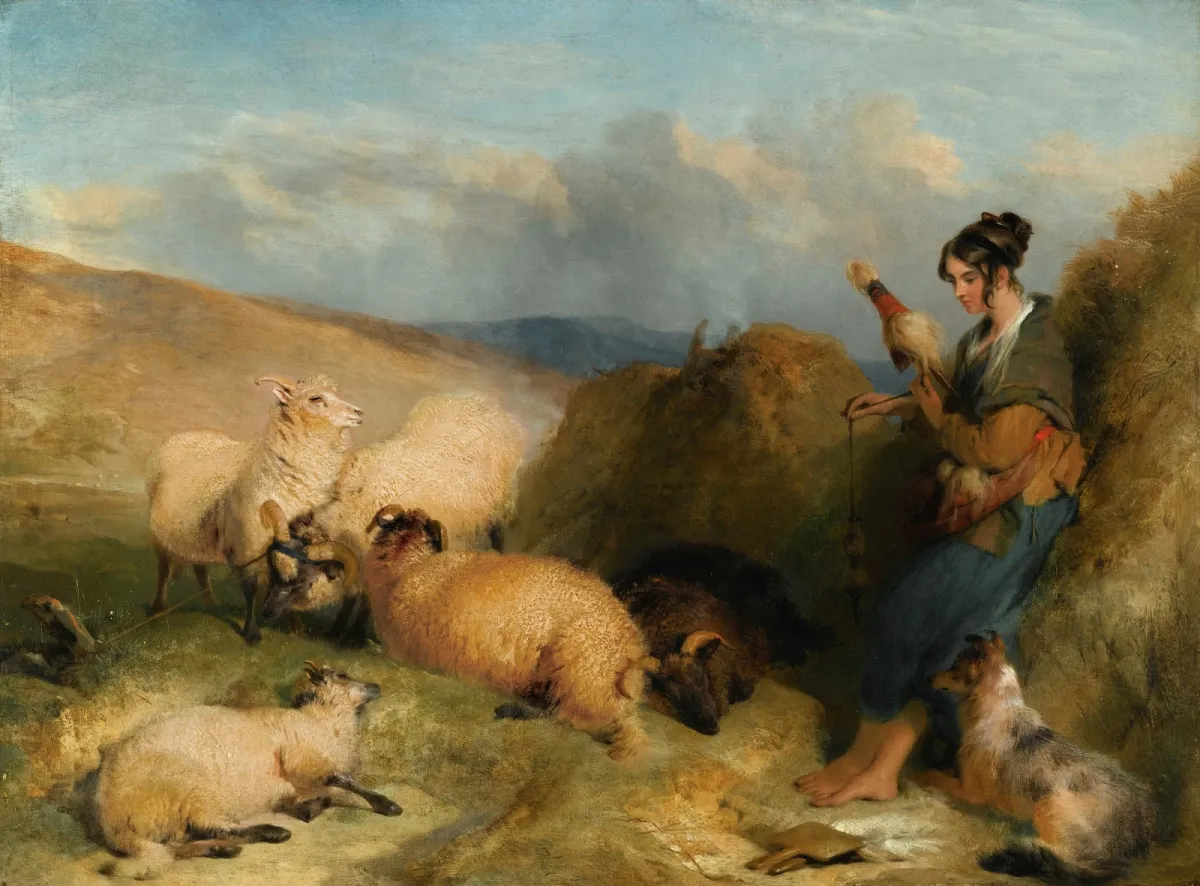 Photo: Edwin Landseer, via 2.bp.blogspot.com
The monks themselves have said there's no historical record of the dogs carrying alcohol. Which, given what we now know about alcohol and cold-weather survival, is probably for the best.
Why the Myth Feels So True
The persistence of this belief isn't hard to understand. The sensation it describes is completely real. Drink a whiskey on a cold night and you will feel warmer. That feeling isn't imaginary or placebo — it's a genuine physiological response, just not the one people think it is.
There's also a cultural reinforcement loop that's been running for centuries. Hot toddies, mulled wine, Irish coffee, spiked cider — winter drinking traditions are deeply embedded in American and European social life. These drinks are associated with coziness, comfort, and shelter from the cold. The idea that they're literally warming you up fits the emotional context so perfectly that questioning it almost feels like ruining the moment.
Alcohol also impairs judgment, which means that as your body temperature drops, your ability to notice or respond to that drop is also compromised. People who are intoxicated in cold environments have been documented as feeling comfortable right up until they're not — a phenomenon that contributes to cold-related injuries and deaths each year, particularly among people who've been drinking outdoors at winter events or in situations where they've had too much and ended up outside longer than intended.
When It Actually Matters
For most people, having a warm drink at a holiday party or après-ski isn't a medical emergency. The risks become real in more extreme situations: spending extended time outdoors in genuinely cold temperatures after drinking, falling asleep outside in winter, or relying on alcohol to compensate for inadequate clothing or shelter.
Emergency physicians and wilderness medicine specialists are consistent on this point: alcohol is not a cold-weather survival tool. If anything, it's a liability. It suppresses shivering — which is the body's primary mechanism for generating heat through muscle activity. It impairs the decision-making needed to recognize and respond to hypothermia. And it creates a false sense of security at exactly the moment when accurate awareness matters most.
The National Ski Patrol and various outdoor safety organizations have been putting out guidance on this for years, but the brandy-in-the-cold image is durable enough that it keeps coming up every winter.
The Takeaway
A warm drink on a cold night is one of life's genuine pleasures, and there's nothing wrong with enjoying it for what it is: something that tastes good, feels comforting, and fits the season. What it isn't doing is raising your core body temperature or protecting you from the cold. Your body's actual warming system — the one that constricts blood vessels, generates heat through shivering, and protects your core organs — is the one alcohol is quietly working against. Enjoy the drink. Just don't count on it to do a job it was never equipped to handle.