Beauty Brands Built a Billion-Dollar Hydration Empire on One Unproven Claim About Wrinkles

Walk through the skincare aisle at Target, and you'll be bombarded with promises of "intense hydration," "moisture surge," and "hydrating complexes." Flip through any beauty magazine, and you'll find celebrities swearing they drink gallons of water daily for their glowing skin. Check Instagram, and influencers are constantly posting photos of their massive water bottles, claiming hydration is their secret to looking young.
The message is everywhere: if you want fewer wrinkles and better skin, you need to drink more water. It's become such accepted wisdom that questioning it feels almost heretical.
But here's what dermatologists have been quietly saying for years: there's virtually no scientific evidence that drinking extra water prevents wrinkles or improves skin appearance in healthy people.
The Birth of Hydration Marketing
The beauty industry's obsession with hydration didn't emerge from medical research — it grew from marketing genius. In the 1990s and early 2000s, cosmetics companies needed a new angle to differentiate their products in an increasingly crowded market.
"Hydration" was perfect. It sounded scientific and healthy, played into existing beliefs about water being good for you, and could justify premium pricing. A basic moisturizer became a "hydrating complex." Simple water-based serums transformed into "moisture surge treatments."
The strategy worked brilliantly. Americans now spend over $18 billion annually on skincare products, with "hydrating" formulas commanding some of the highest prices. The global "skin hydration" market is projected to hit $7.5 billion by 2025.
What Dermatologists Actually Know
Dr. Rachel Nazarian, a dermatologist at Schweiger Dermatology Group in New York, puts it bluntly: "There is no evidence that drinking water improves skin hydration in people who are adequately hydrated."
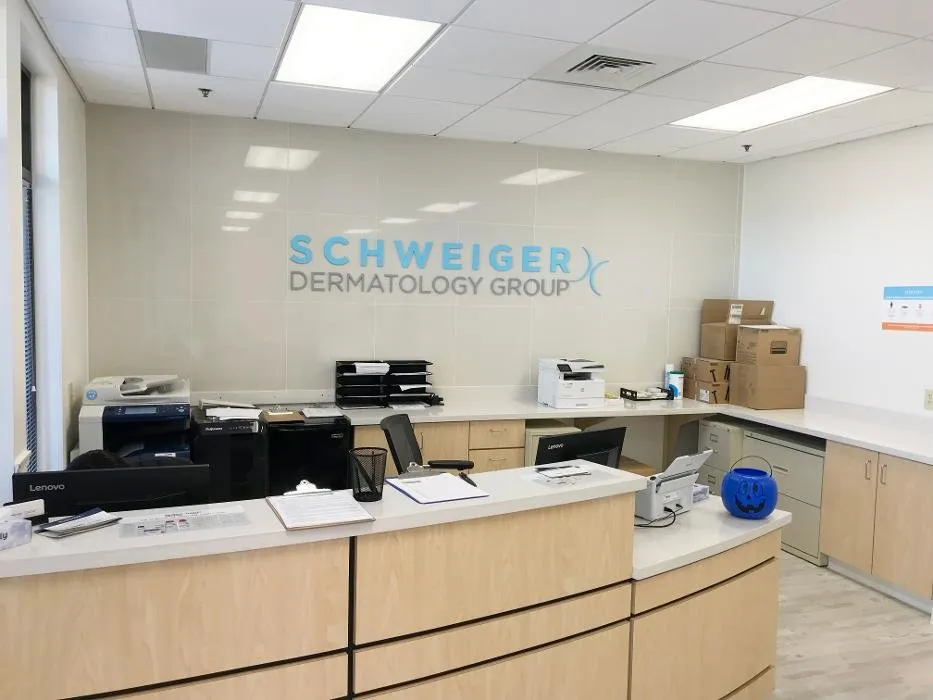 Photo: Schweiger Dermatology Group, via s3-media0.fl.yelpcdn.com
 Photo: Dr. Rachel Nazarian, via www.byrdie.com
Multiple clinical studies have tested this belief directly. Researchers have measured skin moisture levels before and after increasing water intake in healthy adults. The results? No significant improvement in skin hydration, elasticity, or appearance.
A 2007 study published in the International Journal of Cosmetic Science found that drinking an extra 2.25 liters of water daily for four weeks had no effect on skin hydration in young, healthy women. Similar studies have reached the same conclusion: unless you're severely dehydrated (which most Americans aren't), drinking more water won't make your skin look better.
The Confusion Between Two Types of Hydration
Part of the myth persists because people confuse two completely different types of "hydration."
Internal hydration refers to your body's overall fluid balance. This affects organ function, blood pressure, and basic health. Severe dehydration can indeed make skin look dull and less elastic — but this requires losing significant body water, not just drinking less than eight glasses a day.
Topical hydration is about moisture in the outer layer of skin. This is what makes skin feel smooth and look plump. But this moisture comes primarily from sebum (natural oils), environmental humidity, and skincare products — not from water you drink.
Your skin is designed to be a barrier. If drinking water directly hydrated your skin, you'd absorb water every time you took a shower.
Celebrity Endorsements and Confirmation Bias
The myth gets reinforced by celebrity testimonials and social media posts. When Jennifer Aniston credits her complexion to drinking lots of water, millions of fans take note. When a supermodel posts about her gallon-a-day water habit, it becomes gospel.
 Photo: Jennifer Aniston, via e00-telva.uecdn.es
But celebrities have access to professional makeup artists, dermatologists, expensive treatments, good lighting, and photo editing. Their skin looks good for many reasons that have nothing to do with their water intake.
There's also confirmation bias at play. People who drink more water often adopt other healthy habits — they exercise more, eat better diets, get more sleep, and pay closer attention to skincare. When their skin improves, they credit the water rather than the overall lifestyle changes.
What Actually Prevents Wrinkles
While extra water won't prevent aging, dermatologists have identified factors that actually do:
Sun protection is the single most important factor. UV exposure causes up to 80% of visible aging signs. Daily sunscreen use has been proven to prevent wrinkles and age spots.
Genetics play a huge role in how skin ages. Some people naturally produce more collagen and have better skin barrier function.
Topical treatments like retinoids, vitamin C, and moisturizers with hyaluronic acid have clinical evidence supporting their anti-aging effects.
Not smoking is crucial. Smoking accelerates collagen breakdown and reduces blood flow to skin.
Good sleep allows skin cells to repair themselves. Chronic sleep deprivation shows up on your face.
The $200 Serum Paradox
Here's the irony: while beauty brands push hydration as the key to great skin, their most expensive "hydrating" products often work through completely different mechanisms.
Hyaluronic acid serums don't hydrate skin by adding water — they work by helping skin retain moisture it already has. Ceramide creams restore the skin barrier, preventing water loss. Even "water-based" moisturizers rely on occlusive ingredients to trap moisture, not on the water content itself.
The most effective skincare ingredients for preventing wrinkles — retinoids, peptides, antioxidants — have nothing to do with hydration at all.
The Bottom Line
This doesn't mean hydration is completely irrelevant to skin health. If you're genuinely dehydrated, your skin will suffer along with the rest of your body. And using hydrating skincare products can absolutely improve skin texture and appearance.
But the idea that drinking extra water is a fountain of youth? That's marketing, not medicine.
The next time you see an ad promising "hydrated, youthful skin" from drinking more water, remember: the beauty industry built a billion-dollar empire on a claim that dermatologists have been unable to prove. Sometimes the most effective anti-aging strategy is simply not falling for the hype.