That 30-Minute Swimming Rule Your Parents Enforced? Medical Professionals Never Actually Recommended It
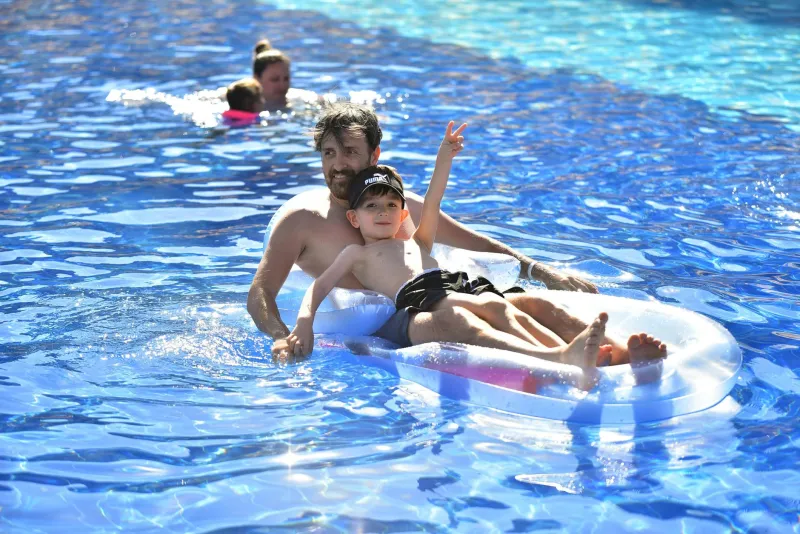
Every American who grew up near water knows the drill: finish your sandwich at the pool, and you're benched for at least half an hour. No exceptions. Parents across the country have enforced this rule with religious devotion, convinced that swimming on a full stomach leads to dangerous cramps and potential drowning.
There's just one problem: doctors never actually told us this.
The Medical Community's Quiet Retreat
If you search current medical literature for warnings about eating before swimming, you'll come up empty. The American Red Cross, once a cautious voice on water safety, dropped specific timing recommendations from their safety guidelines years ago. Sports medicine physicians consistently tell patients that mild digestive discomfort is the worst-case scenario—not life-threatening muscle cramps.
 Photo: American Red Cross, via cdn.gofundraise.com
Dr. Mark Messick, a sports medicine specialist, puts it bluntly: "We've never documented a single drowning caused by someone eating before swimming. Not one."
 Photo: Dr. Mark Messick, via kathrynweldsblog.files.wordpress.com
Yet the myth persists with remarkable staying power, passed down through generations of well-meaning parents who treat it as established medical fact.
Tracing the Phantom Warning
So where did this ironclad rule originate? The trail leads back to early 20th-century assumptions about human physiology that were never rigorously tested. The logic seemed sound enough: blood flow redirects to the digestive system after eating, potentially reducing circulation to muscles and causing cramps during physical activity.
This theoretical framework found fertile ground in American summer camp culture, where liability concerns and the need to manage large groups of children created an environment ripe for overly cautious rules. Camp counselors embraced the waiting period as a simple, enforceable safety measure that required no medical expertise to implement.
The Great Cramping Misconception
The fear of stomach cramps while swimming contains a grain of truth wrapped in layers of exaggeration. Yes, vigorous exercise immediately after a large meal can cause mild digestive discomfort. But the type of severe, incapacitating muscle cramps that would actually endanger a swimmer? Medical professionals can't find evidence they exist.
Modern understanding of exercise physiology shows that blood flow during physical activity is far more sophisticated than early theories suggested. The body doesn't simply shut down muscle circulation to aid digestion—it manages multiple demands simultaneously without the dramatic trade-offs our great-grandparents imagined.
Why Pool Decks Still Echo With the Warning
The persistence of this myth reveals something fascinating about how health advice spreads and sticks. Parents who grew up hearing the rule naturally pass it along, creating an unbroken chain of transmission that feels more authoritative with each generation.
Pool facilities and camps continue enforcing waiting periods not because of medical evidence, but because liability concerns make any water safety rule feel necessary. It's easier to maintain a blanket policy than to explain the nuanced reality that mild discomfort isn't actually dangerous.
The Real Swimming Risks
Ironically, while families obsess over post-meal timing, actual drowning risks get less attention. Alcohol consumption, lack of supervision, and overestimating swimming ability cause far more water emergencies than anyone's lunch ever has.
Lifeguards and water safety experts consistently emphasize that proper supervision and realistic assessment of swimming skills prevent accidents—not arbitrary waiting periods after eating.
What Changed in Medical Thinking
The shift away from the 30-minute rule reflects broader changes in how medical professionals approach activity recommendations. Rather than blanket prohibitions based on theoretical risks, current guidelines focus on individual comfort levels and documented safety concerns.
If you feel sluggish after eating, waiting makes sense. But the idea that a specific timeframe prevents dangerous cramps? That's summer camp folklore, not medical science.
The Takeaway
The next time you hear a parent enforcing the swimming-after-eating rule, you're witnessing one of America's most successful medical myths in action. It's harmless enough—a 30-minute break won't hurt anyone—but it's also completely unnecessary from a safety standpoint.
The real lesson isn't about swimming or eating. It's about how confidently we repeat "medical advice" that was never actually medical advice at all.