SPF 50 Is Not a Shield — It's a Clock, and Most People Have No Idea It's Running
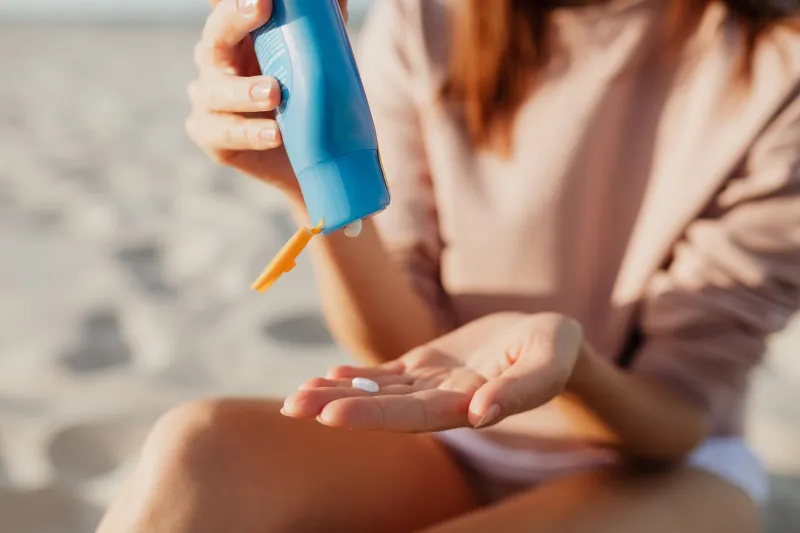
Every summer, the same advice gets repeated: wear sunscreen. And most people do. They squeeze out a careful amount, rub it in before heading out, and feel reasonably responsible about the whole thing. The problem is that what most people think sunscreen does and what it actually does are two meaningfully different things — and the gap between those two ideas is where sunburns, skin damage, and a lot of misplaced confidence quietly live.
The Myth That One Application Is Enough
The single most common sunscreen mistake isn't skipping it — it's applying it once and assuming the job is done. A morning application before a beach trip, a park afternoon, or even a commute-heavy workday feels like protection. It isn't, at least not for long.
Sunscreen isn't a coating that sits permanently on your skin. It's a chemical or mineral filter that absorbs or reflects UV radiation, and like most filters, it degrades over time. The American Academy of Dermatology recommends reapplying every two hours when outdoors — not because dermatologists enjoy giving inconvenient advice, but because that's roughly how long most formulas remain effective under real-world conditions.
Most people have never reapplied in their lives. And the sunscreen industry, for all its progress on SPF numbers and broad-spectrum labels, hasn't exactly made this point loudly.
What the 15-Minute Rule Is Actually For
You've probably seen the instruction on a bottle: apply 15 to 30 minutes before sun exposure. This one tends to get skipped entirely, or people assume it's just a cautious suggestion. It isn't.
Chemical sunscreens — the kind that absorb UV rays rather than reflect them — need time to bind to the outer layer of skin before they work. If you apply sunscreen in the parking lot before walking onto the beach, you're spending the first 15 minutes of peak sun exposure without functional protection. The product is there, but it hasn't done what it needs to do yet.
Mineral sunscreens, which use zinc oxide or titanium dioxide to physically block rays, work more immediately — but they come with their own tradeoffs in terms of texture and finish, which is partly why chemical formulas dominate the market.
The 15-minute window isn't a suggestion. It's a built-in delay that most people are simply not accounting for.
Water, Sweat, and the Illusion of 'Water-Resistant'
This is where things get particularly misleading. The term "water-resistant" on a sunscreen label sounds reassuring — like the product is designed to handle a swim or a sweaty afternoon. What it actually means, per FDA guidelines, is that the sunscreen maintains its SPF rating for either 40 or 80 minutes of water exposure, depending on which claim the label makes.
After those 40 or 80 minutes? The protection is largely gone, regardless of how much product you originally applied. Yet most people interpret "water-resistant" as a long-term guarantee rather than a short-term window. They get out of the pool, towel off, and assume they're still covered. They're not.
The towel itself is part of the problem. Physically drying off removes a significant portion of whatever sunscreen remains on the skin. Reapplication after swimming or heavy sweating isn't optional — it's the only way the protection stays active.
The SPF Number Isn't Telling You What You Think
Here's the part that tends to genuinely surprise people. SPF — sun protection factor — measures how much longer it would take for UVB rays to cause sunburn compared to bare skin. SPF 30 means it would theoretically take 30 times longer to burn than without any protection. SPF 50 means 50 times longer.
This sounds like a meaningful difference. In practice, the gap is much smaller than the numbers suggest. SPF 30 blocks roughly 97% of UVB rays. SPF 50 blocks about 98%. SPF 100 gets to 99%. The jump from 30 to 50 to 100 sounds dramatic; the actual difference in UV blocked is less than two percentage points.
More importantly, SPF only measures UVB protection — the rays responsible for sunburn. UVA rays, which penetrate more deeply and are the primary driver of skin aging and melanoma risk, aren't captured in the SPF number at all. That's what "broad spectrum" on a label is supposed to address, but many consumers don't know that SPF alone says nothing about UVA protection.
Chasing a higher SPF number while skipping reapplication is a trade that doesn't work in your favor.
Why This Misconception Sticks Around
Sunscreen marketing has a complicated relationship with clarity. Higher SPF numbers sell better. "Water-resistant" sounds more capable than "water-resistant for 40 minutes." The instruction to reapply every two hours would require people to carry sunscreen with them everywhere, which is inconvenient — and inconvenient advice gets ignored, even when it's accurate.
There's also a general cultural assumption that sun protection is an all-or-nothing decision: either you wore sunscreen or you didn't. The idea that application technique, timing, and frequency matter as much as the product itself doesn't fit neatly into a simple morning routine.
The Actual Takeaway
Sunscreen works. That part isn't the myth. The myth is that applying it once, at any point before going outside, in any amount, covers you for the day. It doesn't.
Apply it 15 to 30 minutes before you step outside. Reapply every two hours, sooner if you've been swimming or sweating. Use enough — most adults need about a shot-glass worth for full body coverage, and most people apply far less. And look for "broad spectrum" on the label, because SPF alone is only half the story.
The protection is real. The habits most people have built around it, though, are mostly fiction.