Shaving Makes Hair Grow Back Thicker and Darker — Except Dermatologists Say That's Completely Wrong
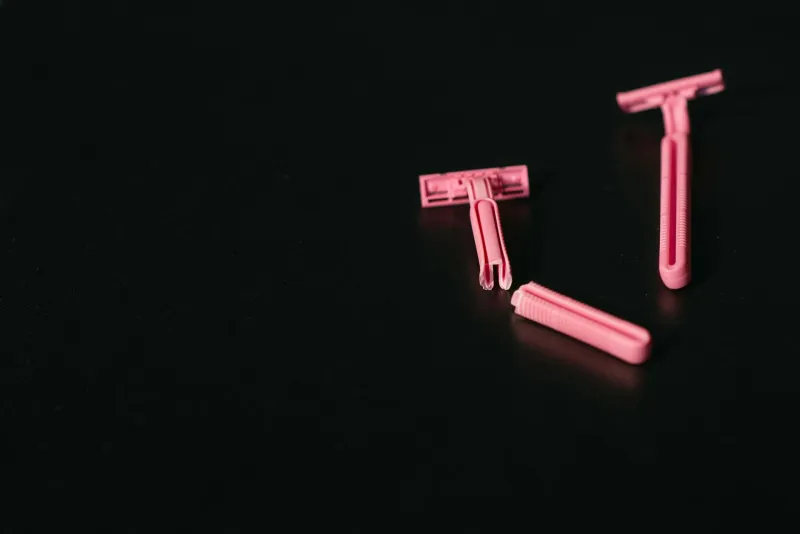
Ask any American about shaving and you'll hear the same warning that's been passed down through generations: shave it off and it grows back thicker, darker, and more noticeable than before. It's advice so universal that it feels like established fact — the kind of thing "everyone knows" because everyone has experienced it firsthand.
Except dermatologists say it's not happening at all.
The Myth That Won't Die
The belief that shaving changes hair growth is remarkably persistent across American culture. Parents warn teenagers about it. Friends debate whether to shave or wax based on it. Beauty magazines reference it as common knowledge. The idea has become so entrenched that questioning it feels almost absurd.
This isn't just casual folklore — the belief influences real decisions. Women avoid shaving certain areas because they fear creating a "stubble problem." Men worry that trimming chest hair will make it grow back like a forest. Entire industries have built marketing strategies around helping people avoid the supposed consequences of shaving.
The problem is that when researchers actually study what shaving does to hair follicles, they find no mechanism by which cutting hair could possibly change how it grows.
What Shaving Actually Does
To understand why the thicker-hair myth persists, you need to know what happens when you shave. A razor cuts hair at the skin's surface, creating a blunt edge where there was previously a tapered tip. This blunt edge is the source of nearly every misconception about shaving's effects.
Natural hair tapers to a fine point, like the tip of a paintbrush. When you cut it, you're removing that narrow end and exposing the thicker shaft underneath. The result isn't actually thicker hair — it's hair with its thickest part now visible at the surface.
Think of it like cutting a carrot. Slice off the pointed end and the remaining piece looks thicker, but you haven't changed the carrot's fundamental structure. You've just revealed a different cross-section.
Why It Feels So Real
The shaving myth persists because the evidence seems overwhelming. Shaved hair does feel different when it grows back — coarser, more noticeable, sometimes darker-looking. But these changes have nothing to do with the hair follicle producing different hair.
The "coarser" feeling comes from that blunt edge. Instead of soft, tapered tips, you're feeling cut ends that are naturally rougher and more noticeable to touch. It's the same reason a freshly cut fingernail feels sharp compared to one that's been growing for weeks.
The "darker" appearance is also an optical illusion. Tapered hair catches and reflects light differently than blunt-cut hair. The thicker, cut ends absorb more light, making the hair appear darker even though its actual pigmentation hasn't changed.
The Science Behind Hair Growth
Hair growth happens entirely below the skin's surface, in follicles that extend deep into the dermis. The visible hair shaft is essentially dead tissue — cutting it has no more effect on the follicle than trimming your fingernails affects your nail bed.
Each hair follicle operates on its own predetermined cycle, producing hair at a genetically determined rate with specific thickness and color characteristics. This process is controlled by hormones, genetics, and age — not by what happens to the hair after it emerges from the skin.
Dermatological studies have consistently found no difference in hair diameter, growth rate, or color between shaved and unshaved areas when measured over time. The follicle simply doesn't "know" that the hair has been cut.
Where the Myth Came From
The shaving myth likely originated from the combination of observable changes (stubble feels different) and timing coincidences. Many people first start shaving during adolescence, when hormonal changes are naturally making body hair thicker and darker anyway.
A teenager who starts shaving facial hair and then notices it growing in coarser might logically connect the two events, not realizing that hormonal development was driving the changes all along. This creates a powerful personal "proof" that shaving caused the difference.
The myth also gets reinforced by the hair growth cycle itself. When you shave an area, all the hair starts growing from zero at the same time. This synchronized regrowth can make hair seem thicker than it was before, when individual hairs were at different stages of growth.
The Cultural Persistence Problem
Once established, the shaving myth became self-reinforcing through American culture. Parents who believed it passed the warning to their children. Beauty advice columns repeated it as fact. The belief became so widespread that questioning it seemed unnecessary — why would so many people be wrong about something they could observe directly?
This cultural entrenchment means the myth persists even as dermatological knowledge has advanced. Many Americans are still making grooming decisions based on a misunderstanding of how hair growth works.
What Dermatologists Actually Recommend
Skin specialists consistently tell patients that shaving won't change their hair's fundamental characteristics. If you want to remove hair, shaving is a safe and effective method that won't create long-term consequences for hair growth.
The choice between shaving, waxing, or other hair removal methods should be based on factors like convenience, cost, skin sensitivity, and personal preference — not fear of mythical changes to hair growth patterns.
For people concerned about hair thickness or growth patterns, dermatologists point to actual factors that influence these characteristics: genetics, hormones, age, and certain medical conditions. These are the variables that determine how your hair grows, not whether you've been cutting it.
The Bottom Line
The next time someone warns you that shaving will make hair grow back thicker and darker, remember that you're hearing one of the most persistent myths in personal grooming. Your hair follicles don't respond to cutting any more than your fingernails respond to trimming.
What you're actually experiencing when shaved hair "feels different" is the natural result of cutting tapered hair into blunt edges. It's a temporary change in texture and appearance, not a permanent alteration to how your hair grows.
Understanding this distinction frees you to make grooming choices based on what actually works for your lifestyle and preferences, rather than fear of consequences that don't actually exist.