The Expiration Date on Your Medicine Bottle Is a Potency Promise — Not a Safety Warning
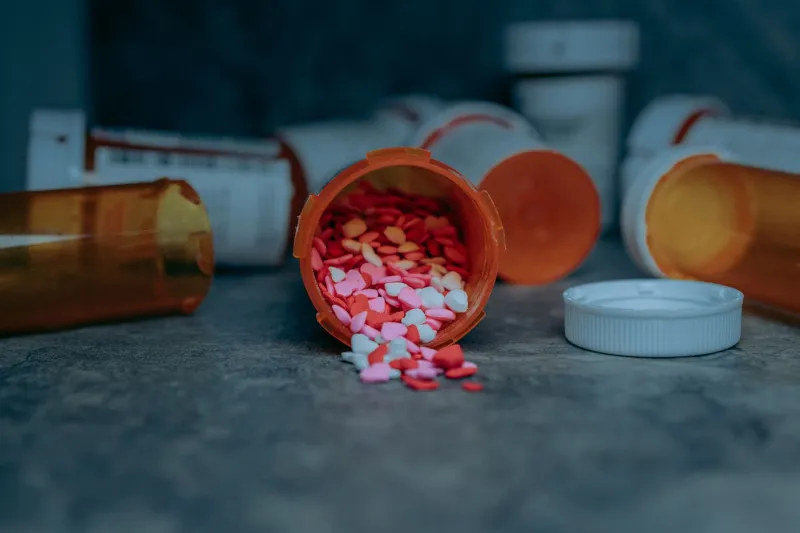
At some point, most of us have opened a medicine cabinet, found a bottle of ibuprofen or allergy medication six months past its expiration date, and tossed it in the trash without a second thought. Maybe with a small sense of responsibility — being careful, following the rules, not taking chances with expired things. The assumption is intuitive: expiration dates exist because products go bad, and medicine going bad sounds like it could be dangerous.
Except pharmaceutical expiration dates don't work that way. They never did. The date on your pill bottle is a manufacturer's guarantee that the medication will retain its full labeled potency until that point — not a warning that something harmful happens afterward. Understanding the difference between those two things changes how you think about a lot of medicine cabinet decisions.
Where the Expiration Date Requirement Actually Comes From
The FDA has required expiration dates on pharmaceutical products since 1979. The regulation exists to ensure that when a label says a drug contains a certain dose, that dose is accurate. Manufacturers are required to conduct stability testing — essentially, monitoring how a drug degrades over time under specific storage conditions — and the expiration date reflects the point through which they can guarantee full potency based on that testing.
This is an important distinction. The date is determined by the manufacturer's testing window, not by a chemical transformation the drug undergoes on that specific day. A medication that expires on December 31st doesn't become a different substance on January 1st. The expiration date simply marks the outer boundary of what the company has formally tested and certified.
Beyond that date, the drug may be at 100% potency, or it may have degraded somewhat. The manufacturer hasn't tested past that point, so they can't make the guarantee — but the absence of a guarantee is not the same as the presence of a danger.
The Military Study That Changed What Experts Know
In the late 1980s, the U.S. military found itself facing a costly problem. The Department of Defense stockpiled enormous quantities of medication for emergency preparedness, and the rotating expense of replacing expired drugs was adding up to hundreds of millions of dollars annually. Rather than continue the cycle, they partnered with the FDA to test whether those drugs actually needed to be replaced.
The resulting program — the Shelf Life Extension Program (SLEP) — tested more than 100 different drug products stored in military stockpiles. The findings were striking. Roughly 90% of the medications tested remained fully potent well beyond their expiration dates, in some cases by years or even decades. The program has been running in various forms ever since, and it has consistently found that most solid oral medications — tablets and capsules — maintain their effectiveness far longer than their labels suggest.
A widely cited analysis published in the Journal of the American Medical Association examined medications from a retail pharmacy that had been stored for 28 to 40 years past their expiration dates. Of the 14 compounds tested, 12 were still present at 90% or more of their labeled concentration. These weren't specialty drugs stored in ideal conditions — they were everyday medications sitting in an old pharmacy.
The Exceptions Worth Knowing
To be clear: not every medication ages the same way, and there are genuine exceptions where expiration dates carry more weight.
Liquid medications, particularly those that require refrigeration, tend to degrade more quickly than solid forms. Nitroglycerin tablets, used for chest pain, are notably unstable and should be replaced regularly. Certain antibiotics — tetracycline in particular — have been associated with degradation products that can cause kidney-related issues, though this concern is largely historical and linked to older formulations that are no longer commonly used. Insulin and other biologics are also more sensitive to degradation than small-molecule drugs.
EpiPens present a different kind of concern: the drug (epinephrine) may still be largely potent, but the auto-injector mechanism itself can become unreliable over time, which matters enormously in an emergency.
For most common over-the-counter medications — ibuprofen, acetaminophen, antihistamines, antacids — the evidence for extended shelf life is strong. For prescription medications, the conversation is more nuanced and worth having with a pharmacist or physician, particularly for critical medications where even small potency reductions matter.
Why the Misconception Is Worth Billions to Some People
The belief that expired medication is dangerous isn't just an innocent misunderstanding. It has significant financial beneficiaries.
Pharmaceutical manufacturers profit when consumers replace medications they could safely continue using. Pharmacies turn over inventory. The entire system is structured around regular repurchase cycles. There's no financial incentive for any commercial player to loudly clarify that the bottle of Zyrtec you're about to throw away is almost certainly still fine.
On a national scale, the waste is substantial. Studies have estimated that Americans discard billions of dollars worth of medication annually based on expiration date concerns. Much of that medication ends up in landfills or — when improperly disposed of — in water supplies, creating environmental problems that compound the economic ones.
The FDA and many pharmacists have begun pushing back on the most extreme version of the expiration myth, but the cultural habit of treating that date as an absolute deadline is deeply ingrained.
The Takeaway
The expiration date on your medication is a quality assurance label, not a hazard warning. It tells you the manufacturer has tested and certified the drug's potency through that date — and that's it. For most common medications stored in reasonable conditions, the practical shelf life extends considerably further. The military has been quietly operating on this knowledge for decades. The main reason the general public hasn't caught up is that the misconception is enormously profitable to leave in place.