Making Your Bed First Thing in the Morning Might Actually Be the Less Hygienic Choice
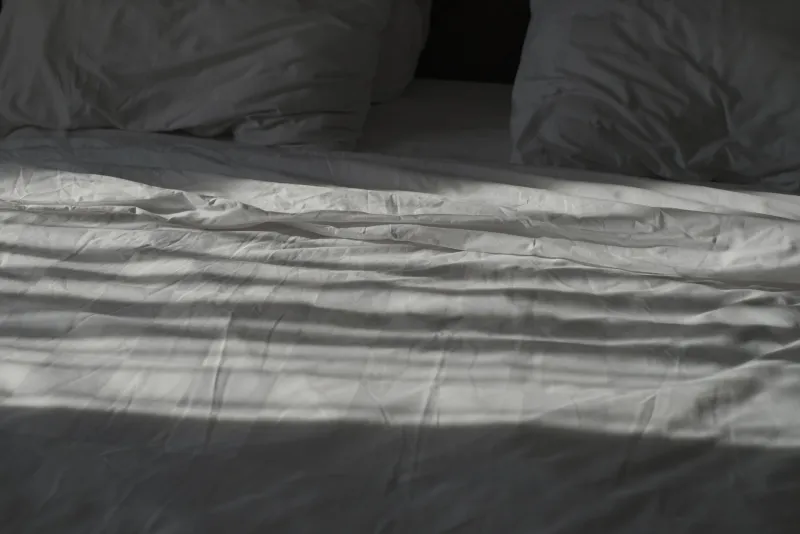
The Morning Ritual Nobody Questions
For a lot of Americans, making the bed is one of those non-negotiable morning habits — something absorbed from parents, reinforced by military movies, and occasionally cited by productivity influencers as the first domino of a disciplined day. The logic seems obvious: a made bed looks clean, signals order, and sets a tone of intention. Leaving it unmade feels slovenly.
But what if the hygiene logic — the part where making your bed is actually cleaner — doesn't hold up? Researchers who study sleep environments and indoor biology have been raising this question for years, and the answer is more complicated than your childhood routine would suggest.
Where the Habit Came From
The cultural pressure to make your bed in the morning has two main roots. The first is military culture, where tightly made beds became a symbol of discipline, obedience, and readiness — a tradition that filtered into American civilian life through returning veterans and the domestic ideals of the mid-20th century. The second is Victorian-era cleanliness obsession, a period when "airing out" the home was considered essential to health and moral character. Interestingly, Victorian advice often encouraged not making the bed immediately, so that sheets could breathe — a nuance that got lost somewhere along the way.
By the time the modern era arrived, the habit had been simplified into a single directive: make your bed in the morning. The original reasoning was largely forgotten, and what remained was just the behavior, passed down as received wisdom.
The Dust Mite Problem
Here's where it gets interesting. Your bed is not just a place you sleep — it's also home to somewhere between 100,000 and 10 million dust mites, depending on the age of your mattress and bedding. That number sounds alarming, but dust mites are harmless to most people. The issue is that their fecal matter and shed skin particles are among the most common triggers for indoor allergies and asthma. And dust mites thrive in warm, humid environments.
While you sleep, your body releases heat and moisture — roughly a liter of sweat per night, according to some estimates. That moisture gets absorbed by your sheets and mattress. When you wake up and immediately make your bed, you're essentially trapping that warmth and humidity under tightly pulled covers, creating exactly the kind of environment dust mites love.
Researchers at Kingston University in the UK drew attention to this dynamic in 2005, when scientists there suggested that leaving a bed unmade during the day could expose sheets and mattress surfaces to light and air, reducing moisture levels and making conditions less hospitable for mites. The study was small and preliminary, and it's been somewhat overstated in popular media, but the underlying biology is sound: dust mites need humidity to survive, and a well-aired bed is a drier bed.
Does Leaving It Unmade Actually Help?
The honest answer is: probably a little, and more so for people with dust mite allergies. For the general population, the difference in mite populations between a consistently made bed and an unmade one is unlikely to be dramatic enough to cause noticeable health effects. The bigger factors in managing dust mites are washing bedding regularly in hot water (above 130°F), using allergen-resistant mattress covers, and keeping bedroom humidity low — ideally below 50 percent.
What the research does challenge is the assumption that making your bed immediately is the hygienic choice. It's a neutral choice at best, and a slightly counterproductive one for anyone sensitive to allergens. The tidiness is real. The cleanliness claim is shakier.
Sleep scientists also note that a made bed can retain heat differently than an unmade one, which may subtly affect sleep quality for people who run warm — though this effect is minor and highly individual.
Why the Myth Persists Anyway
Made beds look cleaner. That visual signal is powerful, and it's hard to override with data. There's also a psychological component that's genuinely real — multiple studies have found that people who make their beds in the morning tend to report higher productivity and better mood throughout the day. Researchers think this is less about the bed itself and more about the effect of completing a small, controllable task early in the day. That's a legitimate benefit, even if it has nothing to do with hygiene.
The productivity argument for making your bed is probably the strongest one available. The cleanliness argument is mostly a story we inherited and never thought to verify.
The Actual Takeaway
Pull back the covers for 20 to 30 minutes after you get up. Let the sheets air out. Then make your bed if you want to — because it makes you feel good, because you like the way it looks, or because it genuinely helps you start your day with a sense of order. Those are all valid reasons.
Just don't do it because you believe it's the hygienic imperative. That part was always more about Victorian tidiness standards than anything a microbiologist would recommend.