Those Dates on Your Groceries Aren't Expiration Dates — And the Difference Is Costing Americans Billions in Wasted Food
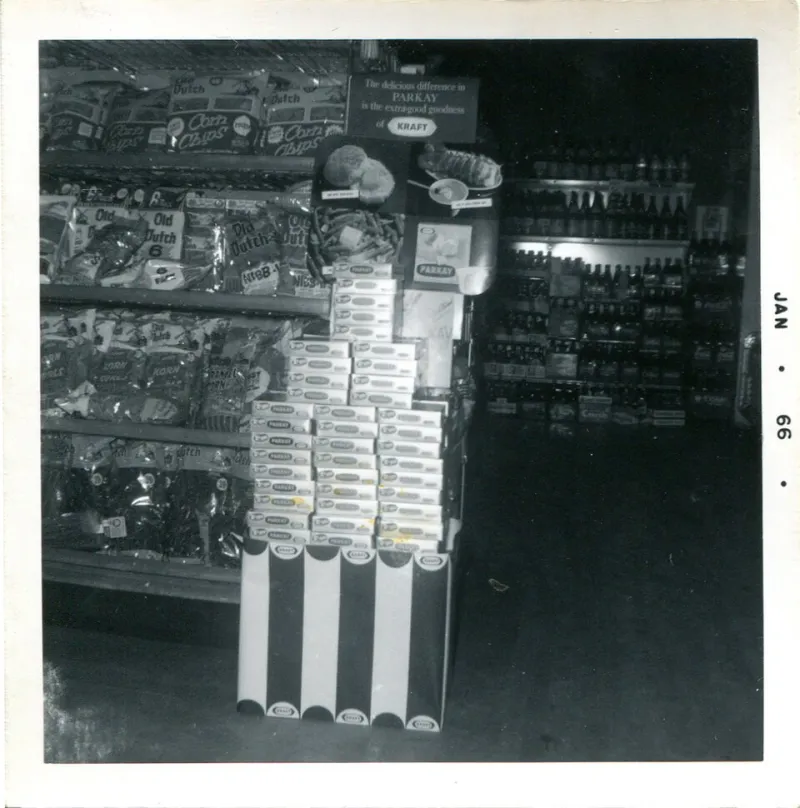
Photo: Gary Hoover, CC BY-SA 4.0, via Wikimedia Commons
The Ritual Most of Us Don't Question
You open the fridge, find something you bought a few days ago, flip it over to check the date, see that it passed yesterday, and throw it out. This is such a normal part of American kitchen life that most people never stop to ask what that date actually means — or who decided it.
The answer is surprisingly unsatisfying. Those dates aren't expiration dates in any meaningful safety sense for most products. They're not federally mandated health guidelines. They're largely manufacturer estimates, retailer preferences, and industry conventions that vary by brand, state, and product type. And the confusion around them is responsible for an estimated 30 to 40 percent of the food supply in the United States being thrown away — much of it perfectly edible.
A Label System Built on Inconsistency
Here's the part that catches most people off guard: the United States has no single federal standard governing food date labels — except for infant formula. That's the one category where a federally mandated date exists because the nutritional content can degrade in ways that matter for vulnerable infants. For virtually everything else in your grocery store, labeling is a patchwork.
The main label types you'll encounter each mean something different:
Sell By is a message to retailers, not consumers. It tells the store how long to display a product for sale. Food is generally still safe and good to eat for days or even weeks after a Sell By date, depending on the item. This label is about inventory management, not safety.
Best By or Best If Used By indicates when a manufacturer believes the product will be at peak quality — optimal flavor, texture, or freshness. After this date, quality may decline slightly. Safety is a separate question entirely. A bag of chips past its Best By date might taste a little stale. It's not going to make you sick.
Use By is the closest thing to a genuine safety-relevant date, and it's typically used on more perishable items. Even here, though, it often reflects quality rather than a hard safety threshold, and it's still not federally standardized for most products.
The problem is that none of this is explained on the label itself. You just see a date and a phrase that sounds urgent, and the natural human instinct is to treat it as a deadline.
Why the System Exists the Way It Does
Food date labeling in the U.S. evolved through a mix of state regulations, retailer practices, and manufacturer marketing — not a coherent federal safety framework. As of 2024, only about 20 states have laws governing date labels, and they don't all agree on definitions or requirements.
Manufacturers have their own incentives. A conservative Best By date can encourage consumers to repurchase sooner. Retailers benefit from clear turnover signals. No single party in the supply chain has a strong financial incentive to help consumers understand that the date on a box of crackers is essentially a quality suggestion.
In 2019, the Food and Drug Administration and the USDA began encouraging the food industry to voluntarily standardize around the phrase "Best If Used By" to reduce confusion, but this remains a recommendation rather than a requirement. Progress has been slow.
What Other Countries Do Differently
The European Union takes a more structured approach. EU regulations distinguish between "best before" dates (quality-based) and "use by" dates (safety-based), and the distinction is legally defined. Products with a "use by" date are considered genuinely unsafe after that point. Products with a "best before" date are understood to be about quality, and stores in some EU countries can legally sell them past that date with appropriate labeling.
The UK has gone further in public education, running campaigns to help consumers understand that best-before dates don't mean food has gone bad — and that relying on sensory cues (smell, appearance, taste) is often more reliable than a printed date.
In the U.S., that kind of clarity is largely absent from public messaging, which is why the misconception runs so deep.
What You Can Actually Trust
So how do you know when food has genuinely gone bad? For most products, your senses are more reliable than a date stamp.
Milk that smells sour has spoiled — whether or not the date has passed. Bread that's grown mold is done. Leftovers that smell off after a few days in the fridge should go. These signals exist for a reason. Your nose and eyes evolved to detect spoilage, and they're reasonably good at it.
For genuinely perishable items — raw meat, seafood, soft cheeses, cut produce — dates and refrigeration timelines matter more, and you should follow USDA safe handling guidelines rather than relying solely on smell. But the yogurt in your fridge that expired two days ago? It's almost certainly fine. The canned soup from eight months ago? Definitely fine.
The FDA maintains a FoodKeeper app that offers evidence-based storage timelines for hundreds of foods. It's more useful than any date printed on a package.
The Real Cost of the Confusion
Roughly 80 billion pounds of food are thrown away in the United States every year. A significant portion of that waste happens at the consumer level, and date label confusion is consistently identified as a major driver. Households throw out an estimated $1,500 worth of food annually — much of it discarded not because it was unsafe, but because a date passed and no one questioned what that date actually meant.
Clearing up this myth isn't just about saving money on groceries. It's about understanding that a system designed for supply chains got quietly handed to consumers as if it were health guidance — and most of us never noticed the difference.