Your Cracked Phone Screen Isn't Actually Broken — But Someone Really Wants You to Think It Is
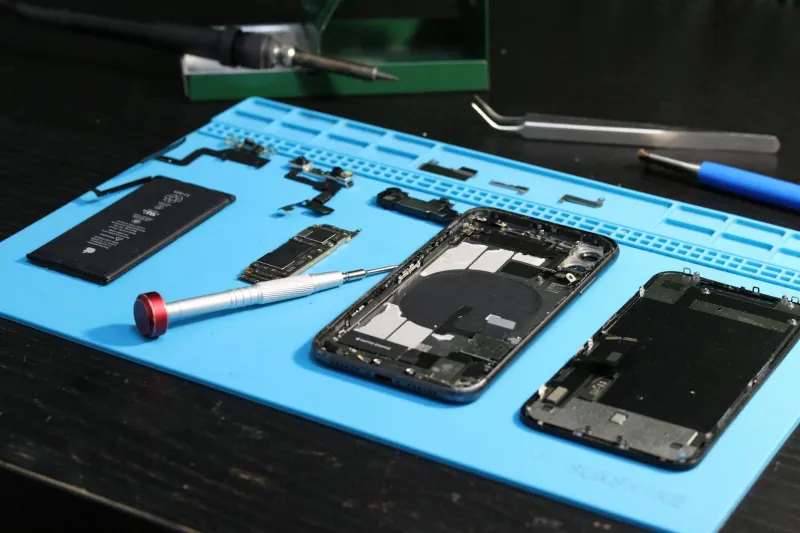
Your Cracked Phone Screen Isn't Actually Broken — But Someone Really Wants You to Think It Is
The moment it happens, your heart sinks. That spider web of cracks spreading across your phone screen feels like a verdict: time for a new phone. Within hours, you're researching upgrade options, calculating trade-in values, and mentally preparing for another $800+ purchase.
But independent repair technicians across America have a different message: you're being played.
The Psychology of the Cracked Screen
A cracked screen triggers something deeper than rational cost-benefit analysis. It makes a functional device feel fundamentally broken, even when everything underneath works perfectly. That psychological response—the immediate assumption that damage equals replacement—has become one of the mobile industry's most valuable assets.
"People walk into our shop convinced their phone is dead because of screen cracks," explains Maria Santos, who runs a repair shop in Phoenix. "Then I show them it's a $60 fix, and they're genuinely shocked. They were ready to spend $900 on a new phone for what amounts to cosmetic damage."
 Photo: Maria Santos, via www.estudiomariasantos.com
This isn't accidental. The entire smartphone ecosystem has evolved to make replacement feel inevitable and repair feel impossible.
The Real Numbers Behind Screen Repair
Here's what most Americans don't realize: screen replacement for most smartphones costs between $50-150, depending on the model. Even high-end iPhone screens rarely exceed $200 to fix professionally. Compare that to upgrade costs that routinely top $800, and the math seems obvious.
Yet repair shops report that fewer than 30% of customers with cracked screens choose repair over replacement. The rest walk straight into carrier stores, convinced their damaged device is worthless.
How Manufacturers Discourage Repair
The obstacles to phone repair aren't natural market forces—they're carefully constructed barriers designed to funnel customers toward new purchases:
Limited Warranty Coverage: Most manufacturer warranties explicitly exclude screen damage, even when caused by design flaws or normal use.
Restricted Parts Access: Genuine replacement parts are difficult for independent shops to source, forcing them to use third-party alternatives that manufacturers can then blame for any issues.
Voided Warranties: Many manufacturers void entire device warranties if unauthorized repair shops touch the phone, even for simple fixes.
Carrier Store Scripts: Sales representatives routinely present upgrade options before mentioning repair possibilities, framing replacement as the obvious choice.
The 'Internal Damage' Myth
One of the most persistent myths surrounding cracked screens is that visible damage indicates internal component failure. Repair technicians consistently report the opposite: most cracked screens are purely cosmetic issues that don't affect phone functionality at all.
Modern smartphones are designed with the screen as a protective barrier. When it cracks, it's usually doing its job—absorbing impact that might otherwise damage more expensive internal components. The phone underneath typically remains completely functional.
The Environmental Cost of Replacement Culture
Americans discard approximately 150 million phones annually, with cracked screens being a leading cause of premature replacement. Each discarded phone contains rare earth minerals that required environmentally destructive mining to extract, yet most "broken" phones could function for years with simple repairs.
The environmental impact of this replacement culture extends far beyond individual consumer choices. It represents a systemic failure to prioritize repair over replacement at every level of the mobile industry.
The Right-to-Repair Movement Pushes Back
Repair advocates have begun fighting back against manufacturer restrictions, pushing for legislation that would require companies to make parts and repair manuals available to independent shops. Several states have introduced right-to-repair bills specifically targeting smartphone manufacturers.
These efforts face intense industry lobbying, with manufacturers arguing that unauthorized repairs compromise security and safety. Repair advocates counter that these concerns are largely manufactured to protect profit margins from new device sales.
What Repair Shops Actually See
Independent repair technicians report that most customers arrive with wildly inflated assumptions about repair costs and complexity. Common misconceptions include:
- Believing cracked screens require complete device replacement
- Assuming repair costs approach new phone prices
- Thinking screen damage automatically voids all warranties
- Believing only manufacturer-authorized repairs are reliable
Most screen repairs take less than an hour and restore full functionality without affecting any other phone features.
The Carrier Store Experience
Walk into any major carrier store with a cracked screen, and the conversation typically follows a predictable script. Representatives immediately pivot to upgrade options, trade-in values, and monthly payment plans. Repair options, if mentioned at all, come with disclaimers about wait times, costs, and potential complications.
This isn't necessarily malicious—carrier stores make significantly more profit from new device sales than from repair referrals. But it creates an environment where replacement feels like the only reasonable option.
Making the Real Comparison
Before assuming your cracked screen means phone death, consider the actual alternatives:
Screen Repair: $50-200, completed same day, keeps your existing phone with all data and settings intact.
Phone Replacement: $400-1200, requires data transfer, learning new interface, and often changing accessories.
The choice becomes less obvious when you see the real numbers instead of the manufactured urgency around replacement.
The Bigger Picture
The cracked screen replacement culture represents something larger than individual consumer decisions. It's a case study in how entire industries can shape customer behavior through carefully constructed assumptions and artificial barriers to alternatives.
Your cracked phone screen isn't a death sentence—it's a $60 repair job that someone hopes you'll mistake for a $900 replacement opportunity. The difference between those two responses is the gap between what the repair industry knows and what the mobile industry wants you to believe.