Birthday Party Chaos Has Nothing to Do With Cake — Parents Keep Misreading the Real Culprit
The Myth That Won't Die
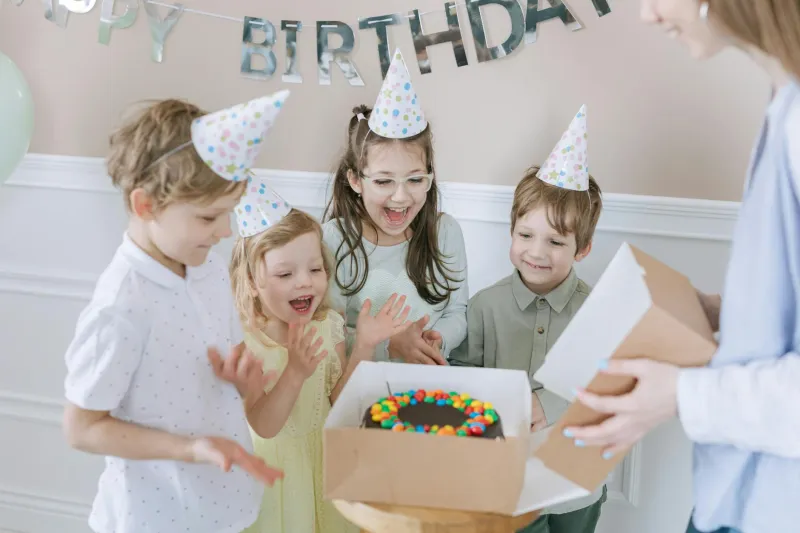
Every parent has seen it: the moment the birthday cake appears, previously well-behaved children transform into tiny tornadoes of energy. By the time the party ends, exhausted adults are left cleaning up the aftermath while muttering about "sugar rushes" and vowing to serve fruit salad at the next celebration.
But here's the thing — those kids aren't actually responding to sugar. They're responding to everything else.
What Science Actually Shows
Since the 1980s, researchers have conducted dozens of controlled studies examining sugar's effect on children's behavior. The results are remarkably consistent: when children consume sugar in controlled settings where neither they nor their observers know what they're eating, their behavior doesn't change.
One landmark 1994 study published in the New England Journal of Medicine gave children either sugar or artificial sweeteners, then had parents and teachers rate their behavior. The twist? Nobody knew which children had consumed what. Result: no difference in hyperactivity, attention, or cognitive performance between the groups.
Dr. Mark Wolraich, who led multiple studies on this topic, put it bluntly: "We could not identify any differences in behavior between children who had sugar and those who didn't."
Where the Belief Came From
The sugar-hyperactivity connection emerged in the 1970s, coinciding with growing anxiety about processed foods and artificial additives. Dr. Benjamin Feingold, an allergist, proposed that artificial colors, flavors, and preservatives caused hyperactivity in children. While his specific claims about additives were largely debunked, the broader suspicion of "unnatural" ingredients stuck.
Sugar became an easy target. Parents could see their children eating something sweet, then observe energetic behavior shortly after. The connection seemed obvious — except correlation isn't causation.
The Real Birthday Party Effect
So why do kids go wild at birthday parties? Consider the actual environment: they're in an exciting social setting, often with friends they don't see regularly, engaging in special activities, staying up past normal bedtime, and experiencing the general overstimulation of a celebration.
Psychologists call this "situational disinhibition" — when exciting circumstances naturally lead to more animated behavior. The sugar just happens to be present during this naturally energizing experience.
Parental expectations also play a role. When adults expect children to become hyperactive after eating sweets, they're more likely to interpret normal childhood energy as problematic behavior. Studies show that when parents think their child has consumed sugar (even when they haven't), they rate the child's behavior as more hyperactive.
Why the Myth Persists
Despite decades of contradictory evidence, the sugar-hyperactivity belief remains remarkably persistent. Part of the reason is timing — the peak sugar absorption happens 30-60 minutes after consumption, which often coincides with other party activities reaching their climax.
There's also a psychological comfort in having a simple explanation for complex behavior. It's easier to blame the cake than to acknowledge that children naturally become excited in stimulating environments.
The food industry hasn't helped clarify matters. Marketing messages about "natural energy" and "sugar crashes" reinforce the idea that sugar directly affects behavior, even when the science doesn't support these claims.
What This Means for Parents
This doesn't mean sugar is a health food — excessive consumption is linked to dental problems, obesity, and other health issues. But parents can stop feeling guilty about occasional treats or planning elaborate sugar-free parties to prevent behavioral meltdowns.
Instead of restricting birthday cake, consider managing the actual factors that influence party behavior: keep gatherings shorter, plan calming activities toward the end, and set clear expectations for behavior regardless of what's being served.
The Bigger Picture
The sugar-hyperactivity myth reveals how powerfully our preconceptions shape what we observe. When parents expect sugar to cause problems, they see problems. When researchers eliminate those expectations through controlled studies, the problems disappear.
Next time you're at a birthday party and witness the inevitable chaos, remember: it's not the frosting making kids bounce off the walls. It's the party itself — exactly as it should be.