Millions of Americans Still Think Bed Rest Cures Back Pain — Doctors Abandoned That Advice Decades Ago
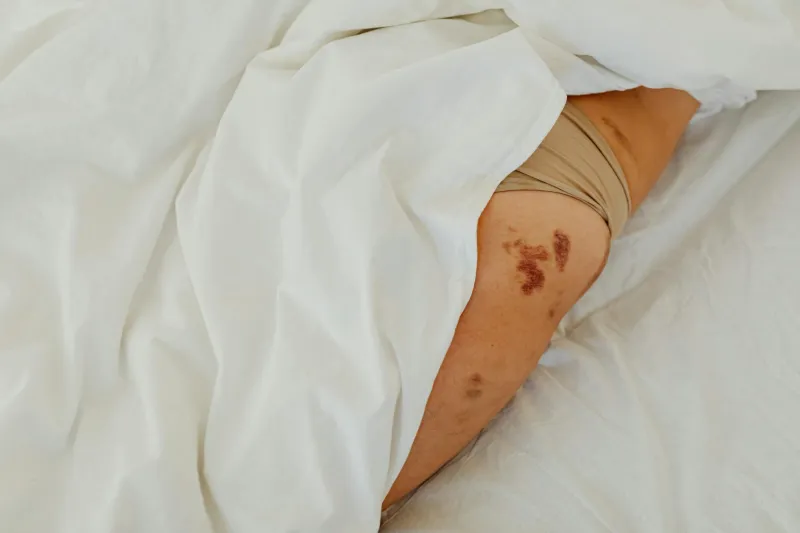
If you threw out your back tomorrow, what would you do? Chances are, you'd head straight to bed and stay there until the pain subsided. It's advice that feels like common sense — when something hurts, you rest it.
The Old Standard That Dominated Medicine
For most of the 20th century, this instinct aligned perfectly with official medical guidance. Doctors routinely prescribed complete bed rest for back pain, sometimes for weeks at a time. The reasoning seemed logical: movement could aggravate an injury, so eliminating movement should help healing.
This wasn't just casual advice. Medical textbooks taught it, insurance companies covered extended bed rest, and patients who tried to stay active were often warned they risked permanent damage. The approach became so entrenched that questioning it seemed almost reckless.
When Everything Changed
Starting in the 1980s, researchers began systematically studying what actually helped people recover from back pain episodes. The results were startling. Study after study found that people who stayed active — within reasonable limits — recovered faster than those who remained bedridden.
A landmark 1995 study published in the New England Journal of Medicine followed patients with acute lower back pain. Those who continued normal activities as tolerated returned to work an average of 1.6 days sooner than those prescribed bed rest. More importantly, they reported better overall function and less pain at follow-up appointments.
Subsequent research only strengthened these findings. Extended bed rest, it turned out, could actually worsen outcomes by weakening muscles, stiffening joints, and creating a cycle where movement becomes increasingly uncomfortable.
Why the Old Advice Felt So Right
The bed rest recommendation persisted for good reasons beyond just medical tradition. When your back is screaming in pain, lying down often provides immediate relief. This creates a powerful psychological association: bed equals less pain, therefore bed must equal healing.
Doctors also had limited tools for understanding what was actually happening during back pain episodes. Without modern imaging and research methods, the safest-seeming approach was to prevent any activity that might cause additional harm.
Cultural factors reinforced the guidance. Americans were already primed to view rest as restorative — "getting your rest" was considered fundamental to health. The idea that you could heal faster by staying active ran counter to deeply held beliefs about recovery.
What Spine Specialists Actually Recommend Now
Today's evidence-based approach looks radically different. Physical therapists and spine specialists typically encourage patients to stay as active as their pain allows, often starting gentle movement within the first 24-48 hours.
This doesn't mean ignoring severe pain or pushing through genuine injury signals. Instead, it means distinguishing between pain that indicates harm and pain that's part of the normal healing process. Light walking, gentle stretching, and gradual return to daily activities usually support recovery better than prolonged immobility.
The shift represents a fundamental change in understanding how the human body heals. Rather than viewing the spine as a delicate structure that needs protection, modern medicine recognizes it as remarkably resilient and designed for movement.
Why the Myth Won't Die
Despite decades of research, many Americans still default to bed rest for back pain. Part of this stems from generational advice — recommendations passed down from parents and grandparents who received the old guidance from their doctors.
The medical system itself has been slow to fully embrace the change. While most physicians now understand that prolonged bed rest isn't helpful, the transition from "rest completely" to "stay active within limits" requires more nuanced patient education than the old approach.
Patients also sometimes resist the new guidance because it feels counterintuitive. When movement causes pain, the idea that more movement could be beneficial challenges basic assumptions about how healing works.
The Bigger Picture
The bed rest story illustrates how medical "common sense" can persist long after evidence shows it's wrong. It took decades for research to accumulate enough evidence to overturn established practice, and even longer for that knowledge to fully reach patients.
This doesn't mean you should ignore severe back pain or avoid seeking medical care. But it does mean that the instinct to immediately retreat to bed — an instinct reinforced by generations of medical advice — may not serve your recovery as well as gentle, gradual movement.
The next time your back acts up, remember that the advice your grandmother received from her doctor was probably the exact opposite of what spine specialists recommend today. Sometimes the best way to heal is to keep moving, even when every instinct tells you to stay still.