The 10,000 Steps Goal Came From a Japanese Ad Campaign — Not a Doctor's Office
The 10,000 Steps Goal Came From a Japanese Ad Campaign — Not a Doctor's Office
There are numbers that just feel authoritative. Eight glasses of water a day. Eight hours of sleep. And 10,000 steps — the daily movement target that's been baked into fitness trackers, wellness apps, and public health messaging so thoroughly that most people assume it was handed down from some long-established body of medical research. It wasn't. The origin of 10,000 steps is a marketing slogan, and the story of how a product tagline became a global health benchmark is one of the more quietly fascinating examples of how health culture actually works.
Where the Number Came From
In 1964, Japan hosted the Tokyo Olympics. The games sparked a national wave of interest in fitness and physical activity, and a Japanese company called Yamasa Tokei released a pedometer designed to ride that momentum. The device was called the Manpo-kei — which translates, roughly, to "10,000 steps meter."
The name was chosen because 10,000 steps sounded like a meaningful, aspirational daily goal, and because the Japanese character for 10,000 (万) vaguely resembles a person in motion. It was a brand decision, not a scientific recommendation. The company wasn't citing research when they landed on that number. They were writing ad copy.
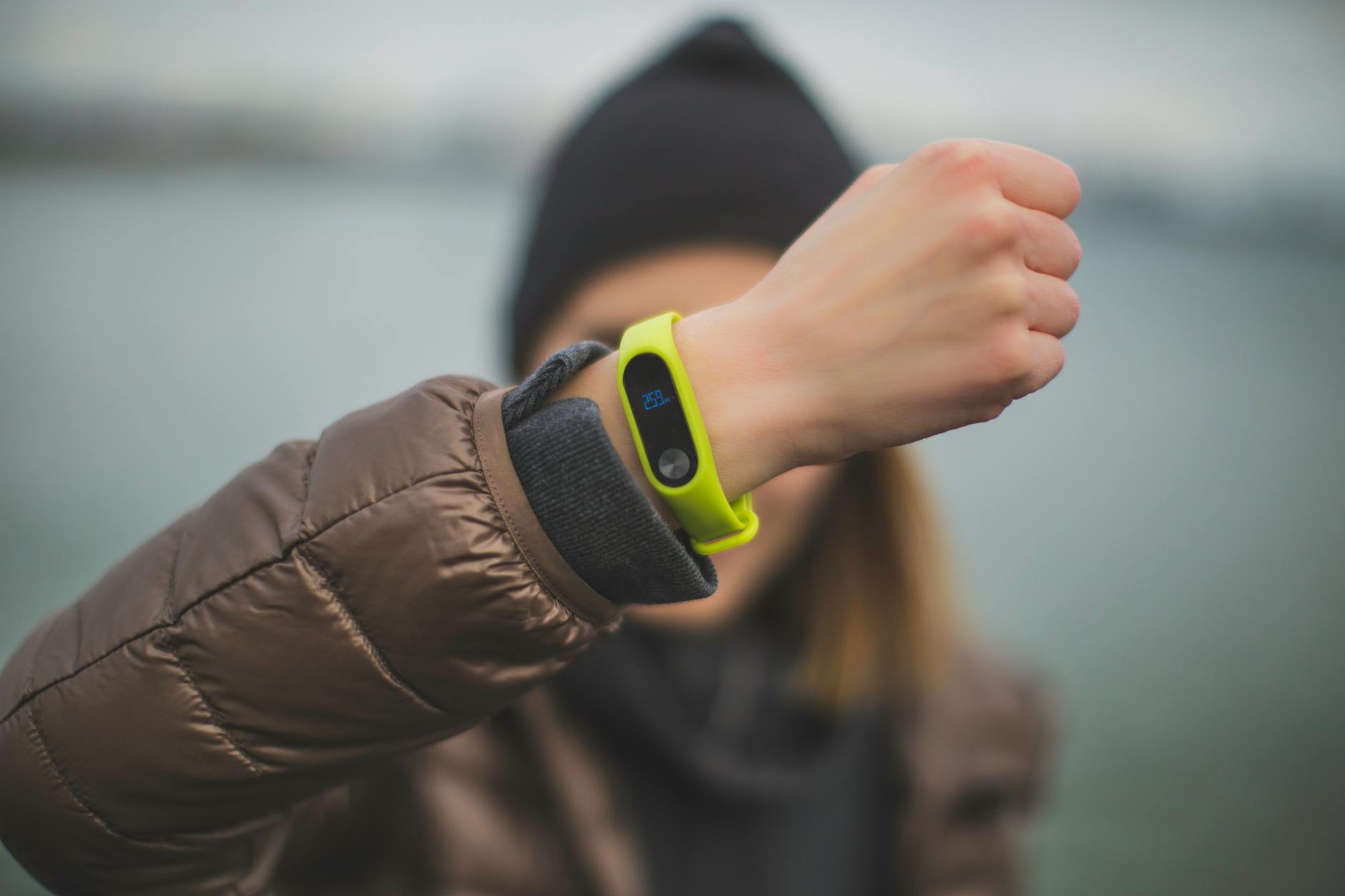
The Manpo-kei sold well, the number stuck in Japanese fitness culture, and over the following decades, 10,000 steps gradually migrated from a product name into something that sounded like established guidance. By the time fitness trackers like Fitbit arrived in the early 2010s and set 10,000 steps as their default daily goal, the number had picked up enough cultural momentum that most users assumed it was grounded in clinical evidence. The device manufacturers, for their part, didn't do much to correct that impression.
What Exercise Science Actually Says
Researchers have spent the last two decades trying to figure out whether 10,000 steps is meaningfully better than other daily movement targets — and the results are more nuanced than the clean round number suggests.
A widely cited 2019 study published in JAMA Internal Medicine followed a group of older women and found that mortality risk dropped significantly as daily step counts increased — but the benefits leveled off at around 7,500 steps. Going from 7,500 to 10,000 steps didn't produce a statistically meaningful additional reduction in risk. A 2021 study in JAMA Network Open found similar patterns, with most of the health gains from increased daily movement occurring below the 10,000-step threshold.
For younger adults and those trying to improve cardiovascular fitness rather than simply reduce mortality risk, the picture shifts somewhat. More movement generally produces more benefit, and 10,000 steps isn't a harmful goal. But the research doesn't support the idea that it's a magic threshold with special significance — or that falling short of it represents a meaningful failure.
What the science does consistently support is simpler: more movement than you're currently getting is almost always better. The biggest gains come from the transition between sedentary and lightly active. Someone going from 2,000 steps a day to 5,000 is making a more impactful change than someone going from 9,000 to 10,000. The marginal value of each additional step decreases as you accumulate more of them.
Why a Round Number Stuck
This is where the story becomes less about fitness and more about how humans process information. Round numbers are cognitively satisfying. They're easy to remember, easy to communicate, and they carry an implicit sense of authority — the same reason "drink eight glasses of water" sounds more official than "drink somewhere between six and nine glasses depending on your size, climate, and activity level."
Public health messaging often leans on simple, memorable targets because simplicity drives behavior. A goal that requires nuance is harder to act on. Whether or not 10,000 steps is precisely optimal, it's a clear, trackable objective that gives people something concrete to work toward. From that perspective, the marketing instinct behind the Manpo-kei was actually pretty sound — even if the number itself was essentially invented.
The problem comes when the shorthand becomes so embedded that people treat it as settled science, feel discouraged when they consistently miss it, or assume that reaching exactly 10,000 steps makes them healthy regardless of what else is going on in their lives.
A More Realistic Way to Think About Daily Movement
Exercise scientists generally recommend thinking about daily movement in broader terms than a single step count. The CDC recommends at least 150 minutes of moderate-intensity aerobic activity per week for adults — a guideline that's actually based on clinical research. That works out to about 22 minutes a day, which most people can hit without obsessing over a step counter.
For people who enjoy tracking steps, current research suggests that somewhere between 7,000 and 8,000 steps per day is associated with meaningful health benefits for most adults. If you're regularly hitting that range, you're doing well — and you don't need to feel like you've fallen short of some medically mandated threshold when you land at 8,400 instead of 10,000.
The Takeaway
10,000 steps is a fine goal if it motivates you to move more. But it's worth knowing that you're chasing a number that was invented by a Japanese pedometer company, not prescribed by a physician. The real research says that more movement is better, that the biggest gains come from getting off the couch in the first place, and that somewhere around 7,000 to 8,000 steps is where most of the documented health benefits actually live. The goal was always the movement — not the number.